


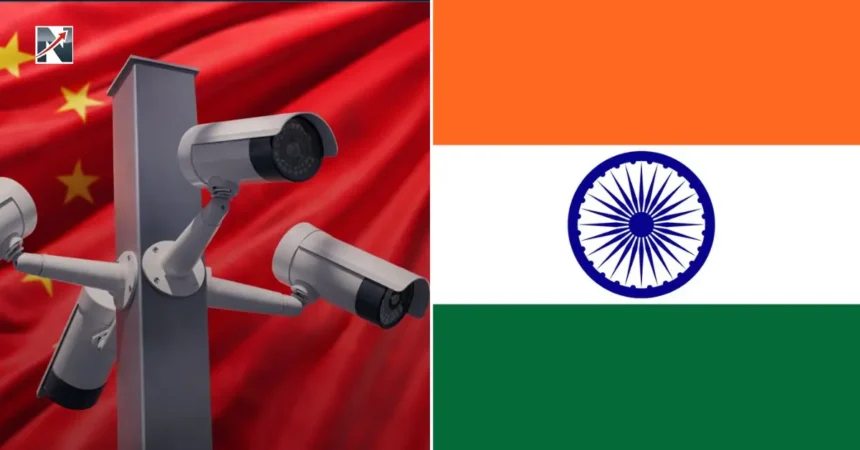
The Indian government is taking a massive step toward national digital security. Starting April 1, 2026, the sale of internet-connected CCTV cameras from major Chinese brands like Hikvision, Dahua, and TP-Link will be effectively banned in India.
This isn’t a sudden decision—it’s the result of a two-year plan to secure India’s surveillance network from potential hacking and data leaks. If you are planning to buy a new security camera, here is everything you need to know about the new rules.
Why is India Banning Chinese CCTVs?
The primary reason is National Security. Most modern CCTV cameras are “smart” and connected to the internet. The government has raised several red flags regarding:
- Data Privacy: Concerns that sensitive video data could be accessed remotely or sent to servers outside India.
- Hidden “Backdoors”: Risks of hardcoded passwords or hidden software that could allow hackers to take control of the cameras.
- Critical Infrastructure: CCTVs are used in airports, railway stations, and government offices. Using untrusted hardware in these areas is a major risk.
The New “STQC” Rules: No Certificate, No Sale
The Ministry of Electronics and Information Technology (MeitY) has made it mandatory for all CCTV cameras to have STQC (Standardisation Testing and Quality Certification).
| Rule | What it Means |
| Origin Disclosure | Manufacturers must clearly state where the Chipset (SoC) comes from. |
| Vulnerability Testing | Cameras must be tested in Indian labs to ensure they can’t be easily hacked. |
| No Chinese Chipsets | Reports suggest the government is refusing to certify any camera that uses Chinese-made chips or software. |
| April 1 Deadline | After this date, no shop or online platform can legally sell non-certified cameras. |
How Does This Affect You?
1. If you already have a Chinese CCTV at home:
Don’t worry—the government isn’t going to take your camera away. Your existing system will continue to work. However, you might face issues with software updates or customer support if the brand exits the Indian market.
2. If you are buying a new camera:
Check for the STQC and BIS certification on the box. Buying a non-compliant camera after April 1 will be illegal for sellers and could leave your data at risk.
3. Will prices go up?
Yes. Experts estimate a 15–20% increase in CCTV prices. This is because non-Chinese components (from Taiwan or the US) are more expensive than the cheap Chinese alternatives we’ve used for years.
Top Indian Alternatives to Switch To
With Chinese giants being pushed out, several “Make in India” brands have already captured over 80% of the market. Look for these trusted names:
- CP Plus: The current market leader with nearly 50% share.
- Qubo (by Hero Group): Very popular for smart homes.
- Prama: Known for high-quality professional setups.
- Matrix & Sparsh: Heavily used in offices and government projects.
The “Chinese Brand” Restriction ( CCTV)
The government has effectively barred major Chinese players like Hikvision, Dahua, and TP-Link from the connected camera market.
- Origin Disclosure: Manufacturers must now provide a “Bill of Materials” (BoM) that declares the origin of every critical component, especially the System-on-Chip (SoC).
- Refusal of Certification: The government is reportedly refusing to certify any cameras using Chinese-origin chipsets or software, regardless of where the camera is assembled.
- Result: Brands like Xiaomi and Realme have already exited the Indian smart-home camera segment after failing to meet these security criteria.
Public Procurement Rules
For any government project (airports, smart cities, or offices), the rules are even stricter:
- Trusted Sources: Only equipment from “Trusted Sources” as defined by the National Security Directive can be used.
- Local Firmware: Preference is given to brands with localized firmware and cloud servers hosted within India to prevent data from being sent abroad.
CP Plus vs Hikvision
Both CP Plus and Hikvision are dominant forces in the Indian surveillance market, but their standing has shifted significantly as of April 2026 due to new Indian government security regulations.
The 2026 Market Shift
The most critical factor in 2026 is the STQC (Standardisation Testing and Quality Certification) requirement.
- CP Plus: As an Indian-owned brand (Aditya Infotech), CP Plus has pivoted its supply chain to use Taiwanese chipsets and localized firmware, making most of its new “IlluMax” and “Orange” series fully STQC certified and compliant for both government and private use in India.
- Hikvision: As a Chinese-origin brand, Hikvision has faced severe restrictions starting April 1, 2026. Many of its internet-connected (IP) models have been denied certification due to origin rules. While existing analog systems still function, new IP camera sales from Hikvision are heavily restricted unless they are part of specific localized joint ventures.
Final Checklist Before Buying a CCTV in 2026
- Does it have STQC Certification?
- Is it BIS Registered?
- Does it use Local Firmware (software made/hosted in India)?
- Does it require a Unique Password during setup (no default “admin” logins)?
Also Read: